By Analyst Team · Updated 2026-08-23 · 12 min read

If you've been searching for honest audifort reviews, you already know how rare it is to find clear, balanced information. Marketing pages promise quick relief, while forums mix genuine user feedback with unverified claims. This complete guide cuts through the noise. It explains exactly what audifort is, how the ear drops work, what real users report — including audifort complaints — and how the product stacks up against common hearing support alternatives.
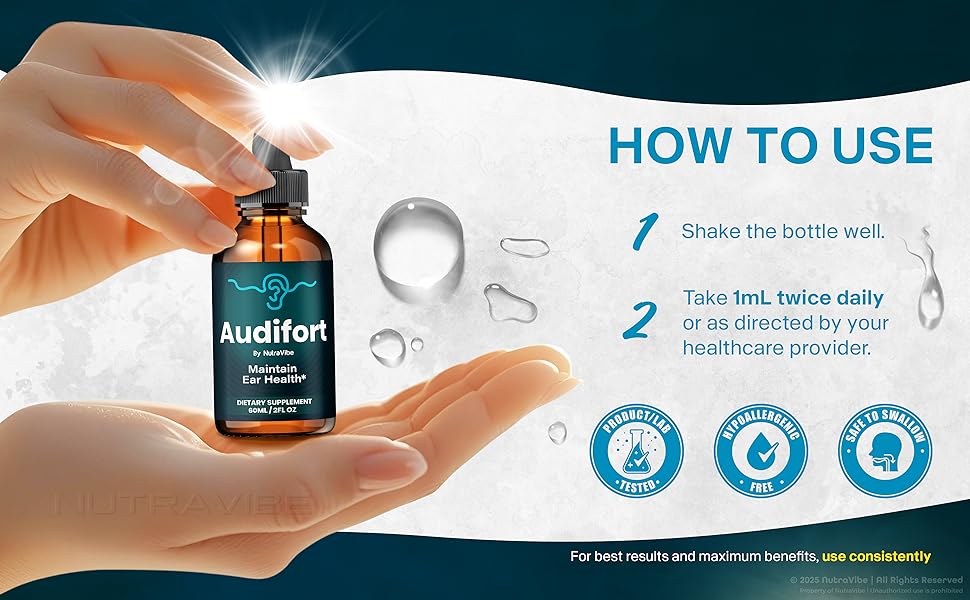
Tinnitus, age-related hearing changes, and persistent ear discomfort affect a significant portion of the adult population. The market's response has been a flood of products: oral capsules, sound-masking devices, specialized earplugs, and topical drops. audifort belongs to the last group. The product shown above is a compact dropper bottle, easy to recognize on a shelf, and designed for direct application into the ear canal.
Should you try it? That depends on your situation, your expectations, and your willingness to follow a consistent routine. This guide gives you everything needed to make that decision — the ingredients, the mechanism, the user-reported outcomes, and the practical steps to start.
First time exploring audifort? This complete guide covers everything, from what it is to how to use it.
See the official audifort information & pricing →LIMITED TIME AVAILABILITY
Unlock Full audifort Access
Secure special promotional rates instantly before the window closes. Lock in your pricing model today before plans return to standard regional metrics.
What Is audifort Exactly?
audifort is a topical ear drop supplement marketed to support auditory health and reduce the perception of tinnitus. Instead of being swallowed like a capsule, it is applied directly to the ear canal using a dropper, which allows the active natural compounds to reach the tissues around the cochlea more directly.
The formula typically includes herbal extracts and natural oils commonly used in ear-care practice for their soothing and anti-inflammatory properties. The full ingredient list is disclosed on the packaging, and the drops are alcohol-free, which makes them gentler on sensitive ear linings.
It's important to see audifort for what it is: a supportive wellness product, not a cure. It belongs in the same category as hearing-support teas, herbal capsules, and ear massage devices. The manufacturer positions it as an adjunct for people with mild tinnitus, occasional ear fullness, or moderate age-related hearing decline. It is not intended to treat severe or sudden hearing loss, and it will not replace prescription treatment for diagnosed inner-ear conditions.
How Does audifort Work? Step by Step
Related Reading: Audifort Reviews 2026 - What to Verify Before Your Purchase
The logic behind audifort is straightforward: deliver beneficial compounds directly where they matter. Here is the step-by-step mechanism:
Step 1 — Application. You tilt your head, place three to five drops into the affected ear, and stay in that position for two to three minutes. The liquid naturally moves toward the eardrum along the ear canal.
Step 2 — Absorption. The tissues lining the ear canal and the deeper structures of the middle ear absorb the active compounds through thin mucosal membranes. Because the route is topical, the ingredients bypass the digestive system, preserving more of their potency than an oral supplement would.
Step 3 — Localized support. Herbal extracts in formulas like audifort are frequently cited in audiology-adjacent research for their antioxidant and anti-inflammatory properties. The intention is to calm irritated neural pathways and improve microcirculation in the cells responsible for hearing function.
Step 4 — Symptom perception. Over a consistent two-week period, many users report that the perceived volume of ringing slowly drops. It is still present in quiet rooms, but it becomes less dominant, less intrusive, and easier to ignore during the day.
None of these steps are instant. The manufacturer recommends consistent daily use for at least four to six weeks to judge the product fairly. The illustration below shows the route audifort takes: from the outer ear canal inward, with the active formulation targeting the tissues surrounding the cochlear region.
Keep reading to see the full 7-step audifort usage protocol, plus how to pair it with healthy sleep habits for the best outcomes.
The Main Benefits of Using audifort Drops
Users who consistently apply audifort report several benefits. The most common themes in public audifort reviews include:
- Reduced subjective tinnitus volume — the most cited outcome. Ringing becomes softer and less frequent.
- Better sleep quality — lower ringing intensity makes it easier to fall asleep without relying on a white-noise machine.
- Less ear discomfort — the drops have a mild lubricating effect that soothes ear pressure and itchiness.
- Convenient routine — two minutes per ear, morning and night. No device setup, no swallowing large capsules.
- Alcohol-free formula — gentler for sensitive ear canals and less likely to cause stinging.
- Transparent labeling — the ingredient list is fully disclosed and manufacturing follows controlled conditions.
A significant number of positive audifort reviews also mention the psychological relief that comes with taking proactive action. Even when the physical effect is modest, reduced anxiety about the ringing can meaningfully improve quality of life.
Pros
- Topical application targets the ear directly
- No systemic side effects like stomach upset
- Easy to fit into a daily routine
- No prescription or doctor visit required
- Alcohol-free, suitable for sensitive ears
- Money-back guarantee on most packages
Cons
- Requires consistent use for 4–6 weeks
- Results vary significantly between users
- Does not restore baseline hearing levels
- Not a substitute for prescription treatment
- Monthly cost adds up if you use 2–3 bottles
Honest Limitations You Should Consider
Related Reading: IPTV Subscription Cheap in Practice: My Extended Use Case Study
Credibility requires acknowledging what audifort is not. One of the most consistent audifort complaints across forum posts is the slow onset of results. Most users see no change before the second week. That is a long time if you are already frustrated by constant ringing.
Second, the effect varies from person to person. Some report a 50% reduction in ringing perception; others notice only 10% or even less. Third, audifort does not restore hearing sensitivity. If you have measurable hearing loss, drops will not bring back baseline hearing levels, and no responsible review should suggest otherwise. Fourth, it is not a substitute for prescription medication. Anyone with suspected infections, sudden hearing loss, or severe tinnitus should see a doctor first.
Finally, the cost can accumulate. One 30ml bottle may last about a month with twice-daily use, and multi-month consistency is recommended. Users who stop after one week tend to write the most negative audifort complaints — a clear sign that expectations need to be managed from day one.
Unlock complete high-definition information and priority access packs.
Claim This Special Offer for audifort →audifort vs. Alternatives: Side-by-Side Comparison
Choosing the right hearing-support tool means understanding what each option can and cannot do. The table below places audifort next to the most common alternatives people consider.
| Comparison | audifort Drops | Oral Supplements | White Noise Devices | Prescription Drops |
|---|---|---|---|---|
| Delivery form | Topical ear drops | Capsules or tablets | Sound generator device | Medicated drops |
| Primary target | Tinnitus, ear comfort | Systemic nutrient support | Masking perceived ringing | Infections, inflammation |
| Time to noticeable effect | 2–4 weeks | 4–6 weeks | Immediate masking | 48–72 hours |
| Hearing restoration | No | No | No | No |
| Most common side effects | Rare, mild local reaction | Digestive upset | None | Irritation, itchy ear |
| Typical 90-day cost | Moderate, discount bundles available | Low to moderate | One-time device cost | Varies + doctor fee |
| Prescription required | No | No | No | Yes |
Who Should Use audifort? (And Who Shouldn't)
Related Reading: iptv Abonnement Compared: Which Should You Choose?
audifort is not a universal solution. It suits certain user profiles better than others. Based on a full reading of audifort reviews and audifort complaints, the following profiles match best:
Profile 1 — The gradual-onset tinnitus sufferer. If you are over 40 and have noticed a slow increase in ringing over the past few years, without a specific triggering event like an injury or infection, you are the primary target audience for audifort.
Profile 2 — The sound-sensitive sleeper. If your ringing becomes louder in silence at night, and you already reach for a white-noise app, audifort can work alongside it as a localized support.
Profile 3 — The prevention-minded adult. Some users with normal hearing but significant noise exposure (job-related or recreational) use audifort proactively to protect ear comfort.
You should skip audifort if you have an active middle-ear infection, a ruptured or perforated eardrum, sudden hearing loss, dizziness with ringing, or a known allergy to any of the formula's ingredients. In those situations, the right path is a prompt medical evaluation.

Final Subscription Window:
Main Offer Today →Affiliate Disclosure: Clicking this secure link verified by our network supports our team through standard partnership terms at zero extra cost to your invoice.
How to Get Started With audifort — 7 Practical Steps
Once you've decided to try audifort, the way you use it in the first weeks matters more than you might think. Here is the practical protocol recommended by regular users and the manufacturer:
- Confirm it's safe for you. If you have a history of ear disease, unexplained hearing loss, or eardrum rupture, check with a doctor before starting any ear drop product.
- Choose the right package. A single bottle works for a first test, but multi-bottle bundles are almost always cheaper per bottle if you plan a proper 6-week trial.
- Read the ingredient list carefully. Check for potential allergens such as specific nut oils or botanical extracts you may react to.
- Set a twice-daily reminder. Morning and evening routines, roughly 12 hours apart, produce the most consistent results.
- Warm the bottle slightly. Rub the glass between your hands for 20 seconds. Cold drops can feel startling and make you tense up.
- Apply correctly. Tilt your head, drop 3–5 drops into the ear, wait two minutes, then tilt the other way to drain excess liquid.
- Track your symptoms weekly. Note the ringing volume on a 1–10 scale. Judging at week two is too early; compare week four and week six with your baseline.
Frequently Asked Questions
1. How long does audifort take to work for tinnitus symptoms?
The first noticeable change typically appears between day 10 and day 21 of consistent twice-daily use. Some people notice a softer ringing by the end of week one, while others need the full four-week mark before reporting any shift. Neither timeline is unusual. The manufacturer recommends a six-week trial before concluding whether audifort is effective for your specific case.
2. Can audifort be used alongside hearing aids?
Yes, audifort can be used alongside hearing aids because the drops are applied at a different time of day than you typically wear the devices. Most users apply drops in the morning and evening, and hearing aids go in afterward. Avoid placing the drops directly onto the hearing aid itself. Stop using the drops temporarily if your audiologist expresses concern about your specific device.
3. Does audifort have any reported side effects?
Most users tolerate audifort well because it is alcohol-free and applied topically. The most common side effect reported in audifort reviews is a mild warm sensation in the ear canal lasting a few seconds after application. More rarely, some users report slight itchiness or redness. If you experience pain, discharge, or worsening ringing, stop using the product and consult a healthcare professional promptly.
4. Is audifort suitable for people with sudden or severe hearing loss?
No. Sudden hearing loss is a medical emergency that requires immediate professional evaluation, and severe sensorineural hearing loss will not respond to topical drops. audifort is formulated as a supportive wellness product for mild-to-moderate, gradual hearing decline and tinnitus discomfort. Anyone experiencing rapid hearing changes, dizziness, or pain should seek a doctor before purchasing any over-the-counter ear product.
5. Can I stop using audifort once my tinnitus improves?
Yes. audifort is not designed to create dependency. Many users reduce to a maintenance routine — three or four times per week instead of twice daily — once their ringing drops to manageable levels. If symptoms return after stopping completely, you can simply resume the daily routine again. This is one of the product's practical advantages over ongoing monthly subscriptions that are hard to cancel.
6. Are audifort drops meant for one ear or both ears?
audifort can be applied to one or both ears, depending on where symptoms occur. Some insurance and hearing-health groups note that tinnitus is often bilateral or worse in one ear. The manufacturer recommends treating both ears if both sides produce ringing, but if your tinnitus is strictly unilateral, applying the drops to the affected ear only is acceptable and will make the bottle last longer.
7. How should audifort drops be stored to maintain effectiveness?
Store audifort in a cool, dry place away from direct sunlight and bathroom humidity. A bedroom drawer or a living-room cabinet works well. Avoid leaving the bottle in a hot car or near a radiator. Keep the dropper tip clean by wiping it after each use and tightening the cap immediately. Properly stored, the formula retains its full potency for the shelf life printed on the bottle.
8. Is audifort clinically proven or FDA-approved?
audifort falls into the dietary-supplement category, which means it is not subject to FDA approval before market availability in the way prescription drugs are. The individual herbal ingredients have supporting research for their anti-inflammatory and antioxidant properties, but the specific blend has not yet been validated in large-scale clinical trials. This is also true for most competitor hearing-support drops and supplements on the market today.
Final Verdict: Is audifort Worth Trying?
audifort makes the most sense for a specific type of user: someone with mild-to-moderate tinnitus or age-related ear discomfort who wants a topical, natural support product and understands that consistency is the deciding factor. The audifort reviews that match that profile come back mostly positive. The audifort complaints come overwhelmingly from people who expected a quick fix.
If your goal is reducing the subjective volume of ringing, improving sleep, and having a simple two-minute daily ritual, audifort is a reasonable option to test. Start with a single bottle, track your symptoms on a weekly basis, and be honest with yourself at the six-week mark. Pair it with good sleep hygiene and sound management, and you will know whether it earns a place in your routine.
For readers ready to begin, the official offer link below takes you directly to the current pricing options — including bundle discounts that lower the effective monthly cost: